
27th Sunday in Ordinary Time Year A
Sunday October 7, 2029

First Reading: Isaiah 5:1-7
Responsorial Psalm: Psalm 80
Second Reading: Philippians 4:6-9
Gospel: Matthew 21:33-43
Key Theme: Bearing good fruit
Focus: Faithful stewardship
Summary: God cares for His people like a vineyard. He calls us to live with justice, faith, gratitude, and love.
Challenge: Notice the gifts God has entrusted to you. Use them to serve others and build His kingdom.
Action Step: Do one act of kindness or mercy this week. Offer it to God in gratitude.
Verse to Remember: “The kingdom of God will be given to a people that will produce its fruit.” (Matthew 21:43)
The Vineyard of the Lord
The 27th Sunday in Ordinary Time Year A reminds us that God trusts us to care for what He has given. Like a vineyard, our world is meant to bear good fruit. God gives everything we need to grow in love, faith, and kindness. Yet, sometimes we forget our role as caretakers and live for ourselves instead.

Isaiah and the psalm tell the story of a vineyard that has gone wild. God planted it with care, but it produced only bitter fruit. These words remind us that blessings are not enough if they do not lead to justice and mercy. God wants actions that show love and respect for others.
In the Gospel, Jesus tells a parable about tenants who refuse to honor the landowner. They reject his servants and even his son. It is a warning for anyone who ignores God’s message. On the 27th Sunday in Ordinary Time Year A, we are called to look at our lives and ask if we are producing good fruit for God’s kingdom.
Mass Readings for the 27th Sunday in Ordinary Time Year A
- First Reading – Isaiah 5:1-7: A friend cultivates a vineyard with great care but gets wild grapes. He questions what more he could have done and decides to abandon the vineyard, letting it turn into a wasteland. This vineyard is an allegory for the house of Israel, where expected justice turns to chaos.
- Responsorial Psalm – Psalm 80: God planted a vine from Egypt, cleared the land, and let it flourish. Then, its walls were broken, making it vulnerable to beasts and trespassers. A plea is made for divine care and restoration so that the vine, representing Israel, will thrive and its people will be saved.
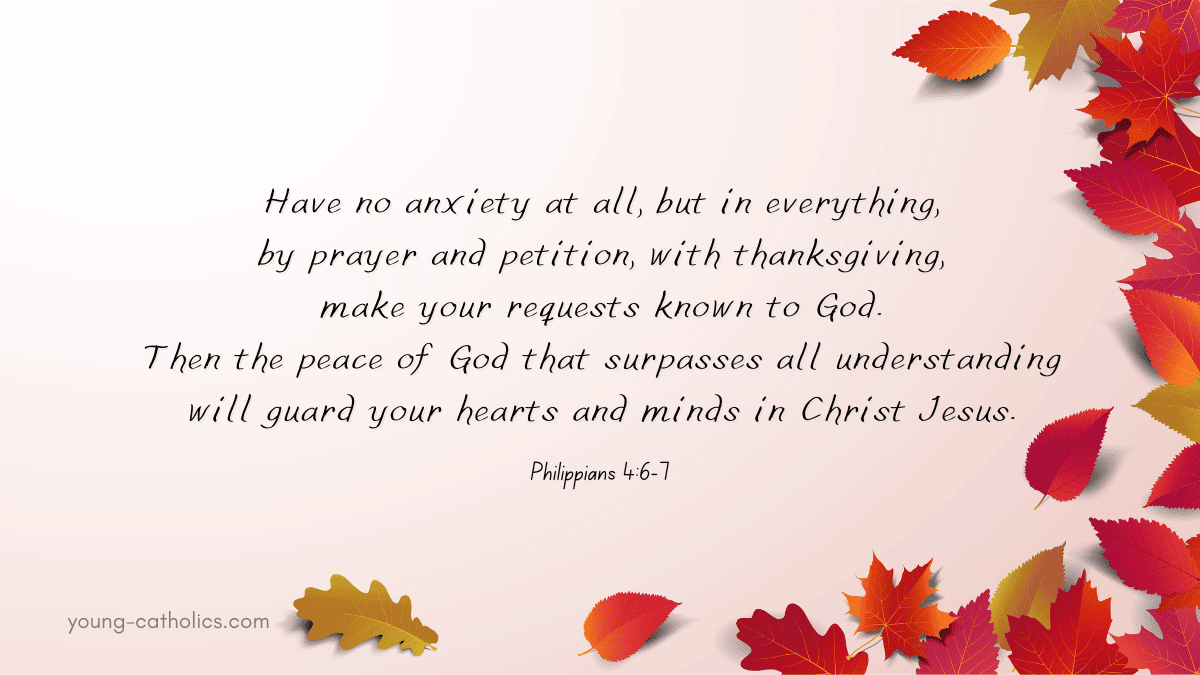
- Second Reading – Philippians 4:6-9: Don’t worry, but instead bring your concerns to God through prayer. When you do, God’s peace will guard your heart and mind. Focus on things that are true, honorable, just, pure, and lovely. By following this guidance and emulating good examples, you’ll find peace.
- Gospel – Matthew 21:33-43: A landowner leases a vineyard but the tenants mistreat his servants and kill his son. When asked, the elders agree that the owner will evict these tenants and find new ones. Jesus warns that those who reject the cornerstone will lose the kingdom of God.
The readings above are for lectionary cycle A. For other years see the links below:
27th Sunday in Ordinary Time Year B
27th Sunday in Ordinary Time Year C
Hear another parable. There was a landowner who planted a vineyard, put a hedge around it, dug a wine press in it, and built a tower. Then he leased it to tenants and went on a journey.
Matthew 21:33
Themes for the 27th Sunday in Ordinary Time Year A
The readings for the 27th Sunday in Ordinary Time Year A show God’s care and expectations. They also show what happens when people reject His ways.
- God’s Care and Patience: God nurtures His people like a vineyard owner tends his vines. But when they turn away, He allows them to face the results of their choices.
- Justice and Accountability: God expects justice but sees wrongdoing. He holds people responsible for their actions.
- Rejection of God’s Messengers: The people in the Gospel reject the landowner’s servants and son. This points to how many rejected the prophets and Jesus Himself.
- The Need for Prayer and Trust: The second reading says not to worry but to pray. Trusting God brings peace.
- The Kingdom Given to Others: Jesus warns that those who reject Him will lose their place in God’s plan. Others who are faithful will take their place.
- Gratitude and Right Thinking: The second reading calls people to focus on what is good. This helps them live in peace and follow God’s ways.
God gives every chance to do what is right. Those who listen and follow Him will be blessed.
Resources for the 27th Sunday in Ordinary Time Year A
- Have No Anxiety – Reflection and Discussion Questions
- Cornerstone Connection Activity: A Team-Building Exercise
- Fearful Finds Relay
- The Book of Isaiah: A Vineyard Gone Wild
- Psalm 80: Restore Your Vine
- The Letter to the Philippians: Peace Beyond Worry
- The Gospel of Matthew: The Rejected Cornerstone
Download a classroom handout about the 27th Sunday in Ordinary Time Year A

Have No Anxiety – Reflection and Discussion Questions
Time Required: 60–75 minutes
Age Group: Grades 6–12
Group Size: Any size, works best in small groups of 3–5
Scripture: Philippians 4:6–9
Core Message: We can trust God with our fears and find peace through prayer and gratitude
Themes: trust in God, prayer, gratitude, peace, anxiety, faith, reliance on God
Energy Level: Moderate
Materials Needed: box, coins, filler material, Bible
Setting: Classroom, parish hall, youth room
The Second Reading for the 27th Sunday in Ordinary Time Year A, Philippians 4:6-9, advises against worry and encourages bringing concerns to God through prayer, leading to a guarded heart and mind filled with peace.
The reflection “Have No Anxiety” focuses on this passage, prompting youth to explore how placing trust in God can relieve fear and foster a life of freedom.

Cornerstone Connection Activity: A Team-Building Exercise
Time: 25–35 minutes
Best for: Elementary / middle school
Setting: Indoor
Teaching Tie-In: Matthew 21:42, Jesus as cornerstone, Body of Christ, trust, cooperation
In Cornerstone Connection, youth explore Jesus as the cornerstone of faith through a cooperative building challenge based on Matthew 21:42. Teams of two to four guide a blindfolded builder using only spoken directions as they try to create the tallest, most stable structure within ten minutes. Afterward, participants discuss the importance of a strong cornerstone, teamwork, listening, and trust. Leaders may adjust the time, switch builders, or use different materials while keeping the activity area safe.

Fearful Finds Relay
Time: 15–20 minutes
Best for: middle school to high school
Setting: indoor, tables or activity stations
Scripture Connection: Isaiah 41:10 – Do not be afraid, I am with you
Teaching Tie-In: courage, trust in God, facing fears, community support
Materials Needed: opaque containers, cooked spaghetti, pudding, candy, potting soil, coins, soap and water
Group Size: 5–25 players (small groups of about five)
Energy Level: moderate
Preparation: prepare containers with hidden coins and layered materials
Focus Skill: overcoming fear, trust, teamwork
In Fearful Finds Relay, teams of five race to find coins hidden inside opaque containers filled with surprising textures such as spaghetti, pudding, soft candy, and potting soil. Players take turns reaching into the container without knowing what is inside and must search for at least 30 seconds before passing it on. The first team to recover all five coins wins. Leaders should use safe, non-toxic materials, check for food allergies, supervise the activity, and provide handwashing afterward.

The Book of Isaiah: A Vineyard Gone Wild
Isaiah often uses vivid imagery to speak about God’s relationship with His people. In this passage, the vineyard symbolizes Israel, a people whom God has tended with love and care. Despite His blessings, the people have produced only injustice and sin. Isaiah calls them to see that their unfaithfulness has real consequences.
This reading connects to the broader message of Isaiah about covenant and responsibility. God expects His people to live justly, reflecting His character in the world. The prophet reminds Israel that blessings come with a call to bear good fruit. The 27th Sunday in Ordinary Time Year A invites reflection on how we respond to God’s care and trust.

Psalm 80: Restore Your Vine
Psalm 80 continues the vineyard theme, recalling how God brought Israel out of Egypt and planted them in a new land. The psalmist cries out in sorrow as the vineyard is now unprotected and ruined. It is both a lament and a prayer for mercy, asking God to remember His people and care for them again.
Within the Psalms, this fits the pattern of calling on God’s faithfulness during times of hardship. The psalm expresses deep trust that God can restore what is broken. On the 27th Sunday in Ordinary Time Year A, this song of hope reminds us that renewal comes from returning to God.

The Letter to the Philippians: Peace Beyond Worry
Paul’s letter to the Philippians speaks often of joy and peace, even in the face of difficulty. This reading encourages believers to let go of anxiety and turn to God in prayer. Paul assures them that when they trust God, His peace will guard their hearts and minds, no matter what they face.
In the wider context of Philippians, this passage shows how faith shapes daily life. It calls Christians to think on what is good and to live as examples of the Gospel. The 27th Sunday in Ordinary Time Year A reminds us that a peaceful life grows from prayer and virtue.

The Gospel of Matthew: The Rejected Cornerstone
This parable fits within a series of teachings where Jesus confronts religious leaders in Jerusalem. The vineyard story echoes Isaiah’s warning, showing how those entrusted with God’s kingdom have failed in their duty. By killing the son, the tenants reject the one sent by the owner, just as the leaders reject Jesus.
In Matthew’s Gospel, this moment points to a shift in God’s plan. The kingdom will go to those who produce fruit in faith and love. On the 27th Sunday in Ordinary Time Year A, we are asked to see ourselves as caretakers of God’s gifts and to build our lives on the cornerstone of Christ.
Homilies and Commentaries for the 27th Sunday in Ordinary Time Year A
- Hope for the Vineyard (Order of Preachers)
- God of peace (Pray as You Go)
- Vine of Christ (Jesuits)
- What Are My Children Learning From Me? (Catholic Women Reflect)
- Jesus’ Critique of Negativity (Center for Action and Contemplation: Fr. Richard Rohr)
- Blind Spots: Worry (Fr. Mike Schmitz)
- More Homilies and Reflections for the 27th Sunday in Ordinary Time Year A
Hope for the Vineyard
Honest self-examination can be painful, but it can also open the way to mercy and renewal. Dr. Ann Garrido uses the image of the vineyard to talk about communities that have received much from God but failed to produce good fruit. She says faith requires the humility to admit where greed, violence, or selfishness have taken over.
Dr. Garrido also points to hope. Jesus is the faithful vine who shows what good fruit can look like: joy, community, mercy, and faithfulness. On the 27th Sunday in Ordinary Time, she encourages us not to stop at failure or blame. Repentance can become the beginning of something new, and with Christ we can still grow into a people who bear better fruit.
God of peace
What worries are you carrying that you need to place in God’s hands? Pray As You Go focuses on Philippians 4:6–9 and invites us to bring our concerns to God with prayer and thanksgiving. The reflection encourages us to notice even small signs of God’s peace in the middle of uncertainty.
Pray As You Go also asks us to pay attention to what is true, just, pure, beautiful, and worthy of praise. As we notice these things, our hearts can become more open to God’s presence and guidance. We are invited to speak honestly with Jesus about our hopes, struggles, and desire to grow, then listen for the peace he offers.
Featured music: “The Absorbeat” by The Phoenix Consort and “Instrument of Peace” by One Hope Project
Vine of Christ
Seeing the Church as God’s vineyard can change how we understand our place in it. Fr. Bob Hagan, SJ, reflects on Matthew 21:33–43 and the image of Christ as the true vine. He connects this image with the Church as a people called to remain in Christ and bear good fruit.
Fr. Hagan also links this calling with respect for human life and care for creation. The life we receive from Christ should lead us to protect people, creatures, and the earth we share. The challenge is to become faithful branches of the vine, allowing Christ’s life in us to produce justice, peace, love, and care for others.
What Are My Children Learning From Me?
Passing on faith means more than teaching prayers and traditions. Maria uses Isaiah 5:1–7 to ask what children learn from the way their parents speak, correct, forgive, and treat other people. Faith at home is shaped as much by everyday actions as by what is taught directly.
Maria encourages parents to notice whether patience, fairness, mercy, and respect are visible in family life. She admits that frustration can affect the way we speak and that children also notice how adults talk about people outside the home. When mistakes happen, asking forgiveness can become part of the lesson. The goal is not perfect parenting, but allowing faith to change the way we love the people closest to us.
Jesus’ Critique of Negativity
It can be easy to define faith by what we oppose. Fr. Richard Rohr uses the vineyard parable in Matthew 21 to warn against religion built on rejection, exclusion, and the need to decide who does not belong. He says the tenants act as if the vineyard is theirs, forgetting that it belongs to God.
Fr. Richard suggests that what we reject can reveal what we have made most important. If faith becomes centered on enemies, punishment, or fear, it can lose sight of love. He points instead to St. Paul’s call to focus on what is true, just, lovely, gracious, and worthy of praise. The challenge is to become people known more for what we love than for whom we condemn.
Blind Spots: Worry
Fr. Mike Schmitz explains that feeling anxious is not a sin, and clinical anxiety should be treated with proper care. His concern is the habit of worry that becomes a constant companion. Concern asks what we can do and leads to action. Worry keeps asking “what if?” and can leave us stuck.
Fr. Mike says the answer is to pray, hope, and do the next right thing. We should act on what is within our control and give God what we cannot fix. Hope does not mean believing everything will turn out as we want. It means trusting that whatever happens, God will still be there.
More Homilies and Reflections for the 27th Sunday in Ordinary Time Year A
Reflection for the 27th Sunday in Ordinary Time Year A
The 27th Sunday in Ordinary Time Year A invites us to reflect on God’s care, our responsibilities, and the way we respond to His call. The readings use the image of a vineyard to show how God provides for His people and expects them to bear good fruit. The Gospel warns about rejecting God’s messengers, while the second reading encourages trust and right living. These themes challenge us to examine our own lives and consider whether we are being faithful stewards of what God has given us.
The Symbolism of Vines in God’s Plan
The readings for the 27th Sunday in Ordinary Time Year A use vineyard imagery to show God’s care and expectations. In the first reading, Isaiah compares Israel to a vineyard that God carefully tends. He gives it everything it needs, yet it produces wild grapes. These wild grapes represent sin and injustice. God asks what more He could have done, showing that the failure was not on His part but on the people’s choices.
The responsorial psalm continues this theme. It speaks of Israel as a vine that God brought out of Egypt and planted in good soil. But now, the hedge protecting it is broken, leaving it exposed. This shows the consequences of turning away from God. Even though the people have strayed, the psalm is a plea for God to restore them.
These images of vines and vineyards remind us that God provides, but He also expects us to respond. He calls us to grow in faith and bear good fruit. If we turn away, we face the results of our actions. Yet, like the psalmist, we can always turn back and ask God to restore us.
The 27th Sunday in Ordinary Time Year A is a reminder to examine our own lives. Are we growing in faith and love, or are we producing wild grapes? God offers His care, but we must choose to follow Him.
Finding Peace in Difficult Times
The second reading for the 27th Sunday in Ordinary Time Year A encourages trust in God. Paul tells the Philippians not to worry but to bring everything to God in prayer. He promises that God’s peace will guard their hearts and minds. This is an important message, especially when life feels uncertain.
Paul does not say that problems will disappear. Instead, he reminds the people to focus on what is good. He encourages them to think about things that are true, honorable, just, and pure. By doing this, they can stay strong in faith and find peace even in hard times.
This message connects to the Gospel, where Jesus tells a parable about tenants who reject their master’s messengers and even kill his son. The religious leaders know that Jesus is talking about them. They have rejected God’s messengers and are about to reject Jesus Himself. This parable is a warning about what happens when people turn away from God.
In contrast, Paul’s letter shows another path. Instead of rejecting God, people can choose to trust Him. By praying, focusing on good things, and following God’s ways, they can experience real peace. The 27th Sunday in Ordinary Time Year A reminds us to turn to God, even when life is difficult.
Caring for What God Has Given Us
In the Gospel for the 27th Sunday in Ordinary Time Year A, Jesus tells a parable about a vineyard owner and his tenants. The owner provides everything needed for the vineyard to grow. But instead of giving him what is rightfully his, the tenants become greedy and violent. They reject the owner’s servants and even kill his son.
This parable is a warning about rejecting God’s messengers. The religious leaders listening to Jesus understand that He is speaking about them. They have been given responsibility, but instead of leading the people well, they have misused their power. Because of this, the kingdom of God will be given to others.
This message applies to all of us. God has given each person responsibilities. Whether it is family, work, or faith, we are called to take care of what He has entrusted to us. If we ignore these responsibilities, we are like the tenants in the parable.
The second reading also speaks about responsibility. Paul tells the people to focus on what is good and right. Living this way is part of being faithful to what God has given us. The 27th Sunday in Ordinary Time Year A reminds us to take care of our faith, relationships, and responsibilities. When we do this, we honor God and bear good fruit.
God continues to call His people to faithfulness. The 27th Sunday in Ordinary Time Year A reminds us that He provides everything we need, but we must choose to follow Him. When we reject His ways, we miss out on the blessings He wants to give us. But when we trust Him, live rightly, and care for what He has entrusted to us, we grow closer to Him and find peace.
Prayer
Lord, You care for us and provide all that we need. Help us to trust You, follow Your ways, and bear good fruit in our lives. Give us wisdom to care for the gifts You have given us. Lead us in truth and guide our hearts toward what is right. Amen.
Reflection Questions for the 27th Sunday in Ordinary Time Year A
- How is God calling you to grow in faith?
- What “wild grapes” in your life might need to change?
- In what ways do you see God’s care in your life?
- How do you respond to difficulties? Do you turn to God in prayer?
- What are some ways you can focus on good and right things, as Paul encourages?
- How do you use the gifts and responsibilities God has given you?
- Have you ever struggled with rejecting God’s guidance? What happened?
- How can you help others grow in faith and bear good fruit?
- What does the parable of the tenants teach you about faithfulness?
- How can you better trust God and seek His peace in your daily life?
Social Media Graphics and Bulletin Artwork for the 27th Sunday in Ordinary Time Year A
If you would like an image to be made available as a specific product (card, poster, mug, etc.) or as an extra high resolution image for personal use just post a comment about what you want and we will create a link to our online store for you.
Fruit of the Vineyard

This artwork for the 27th Sunday in Ordinary Time Year A shows a vineyard filled with rich clusters of grapes, a sign of God’s care and abundance. It connects to Isaiah’s song of the vineyard and the Gospel where Jesus calls us to bear good fruit in God’s kingdom.
Download this image for bulletins, newsletters, or youth ministry materials to reflect on how we respond to God’s gifts.
Paid subscribers may download this file without watermarks for use in bulletins, social media, newsletters, etc. You must be logged in as a paid subscriber to access the file.
Only current paid subscribers have the rights to use the artwork.
Music Suggestions for the 27th Sunday in Ordinary Time Year A
The music selections for the 27th Sunday in Ordinary Time Year A reflect key themes from the readings. Many songs focus on God’s care, comparing His people to a vineyard that He tends with love. Others emphasize Jesus as the cornerstone, reminding us that faith must be built on Him. Some songs highlight trust in God, encouraging prayer and surrender in times of struggle. There are also hymns about the Church, calling believers to stand firm and live faithfully. These selections help deepen the message of the readings, bringing the themes to life through music.
- All Good Gifts by Kevin Keil & Matthias Claudius
- Alleluia Sing to Jesus by Rowland H. Pritchard, William C. Dix, Robert E. Kreutz & Randall Debruyn
- Celtic Alleluia by Christopher Walker & Fintan O’Carroll
- Christ Be Near Us by Gina Ogilvie
- Christ Is Made the Sure Foundation
- Church of God, Elect and Glorious by Rowland H. Pritchard, James E. Seddon & Randall Debruyn
- Cornerstone by Hillsong Worship
- God Has Planted Christ the Vine by Marty Haugen
- God of Day and God of Darkness by Marty Haugen
- Here I Am Lord by Dan Schutte
- I Am the True Vine and You Are the Branches by Steve Angrisano, Sarah Hart & Curtis Stephan
- If Today You Hear God’s Voice by Bernadette Farrell
- In Christ Alone by Keith Getty & Stuart Townend
- Love Divine All Love Excelling by Rowland H. Pritchard & Charles Wesley
- No Other Foundation Can Anyone Lay by The Schola Cantorum of St. Peter’s in the Loop
- O Christ, the Great Foundation by Harvest Collective
- O God Our Help in Ages Past by William Croft & Isaac Watts
- Our God Reigns by Brandon Heath
- Praise to You, O Christ Our Savior by Bernadette Farrell
- The Church’s One Foundation by Samuel S. Wesley & Samuel J. Stone
- The Rock of Faith by Ed Bolduc & Karen Bolduc
- The Vineyard of the Lord by Craig Colson & Kristen Colson
- The Vineyard of the Lord by Kevin Keil
- When I Survey the Wondrous Cross by Lowell Mason & Isaac Watts
Music directors and musicians can use these selections to support the themes of the 27th Sunday in Ordinary Time Year A. Consider trying some of these songs in your parish and seeing how they connect with the readings. If you have other suggestions, share them in the comments. Let’s help each other choose music that leads people closer to God.
Questions and Answers
What is the main message of the first reading?
The first reading for the 27th Sunday in Ordinary Time Year A compares Israel to a vineyard that God has cared for. Even though He gave it everything it needed, it did not produce good fruit. This shows that God expects His people to live justly and follow His ways.
What do the wild grapes represent?
The wild grapes in the first reading symbolize sin and injustice. Instead of producing goodness and faithfulness, the people turned away from God. This is a warning that when people reject God’s ways, they face the results of their choices.
Why does the psalm talk about a vine?
The psalm for the 27th Sunday in Ordinary Time Year A describes Israel as a vine that God planted and cared for. But now, the hedge protecting it is broken, leaving it unprotected. This is a plea for God to restore His people and help them grow in faith again.
What does the Gospel parable mean?
Jesus tells a parable about tenants who refuse to give the landowner his share of the vineyard and mistreat his messengers. This represents how people rejected the prophets and, later, rejected Jesus. The message is that those who turn away from God’s truth will lose what He has given them.
Why did the tenants in the parable kill the landowner’s son?
The tenants in the Gospel parable wanted to take control of the vineyard for themselves. This represents how some of the religious leaders rejected Jesus because they wanted to keep their power. It shows the danger of pride and selfishness.
What does Jesus mean by the kingdom being given to others?
Jesus warns that those who reject Him will lose their place in God’s kingdom. The 27th Sunday in Ordinary Time Year A reminds us that God’s promises are for those who listen to Him and follow His ways. Faithfulness, not status, determines who belongs in His kingdom.
What does the second reading teach about handling worries?
The second reading says that instead of worrying, people should bring everything to God in prayer. It promises that those who trust in God will find peace. This teaches that faith and prayer help people stay strong in difficult times.
Why does Paul encourage people to focus on good things?
Paul tells people to think about what is true, just, and pure because thoughts shape actions. When people focus on what is good, they make better choices. The 27th Sunday in Ordinary Time Year A reminds us that right thinking leads to right living.
How can I apply these readings to my life?
These readings remind us to trust God, live justly, and take care of what He has given us. They encourage us to pray, focus on good things, and follow God’s ways. When we do this, we stay close to Him and bear good fruit in our lives.
What should I do if I feel distant from God?
The 27th Sunday in Ordinary Time Year A reminds us that even when people turn away, God is always ready to restore them. If you feel distant from Him, take time to pray, reflect on His word, and make choices that bring you closer to Him. He never stops calling His people back.
God’s Care and Our Response
The readings for the 27th Sunday in Ordinary Time Year A show how God cares for His people. The first reading compares Israel to a vineyard that does not produce good fruit. God gave them everything they needed, but they turned away from Him.
In the Gospel, Jesus tells a story about tenants who reject the landowner’s servants and even kill his son. This points to how people rejected the prophets and, later, Jesus Himself. Because of this, the kingdom of God is given to those who will follow Him.
The second reading reminds people not to worry but to pray and trust God. It also encourages them to focus on good things. When people live this way, they will find peace and grow closer to God.
The 27th Sunday in Ordinary Time Year A is a call to reflect on how we respond to God’s care. Are we bearing good fruit, or are we turning away?
Your Turn
God gives many chances to do what is right. The 27th Sunday in Ordinary Time Year A reminds us that He wants us to follow Him and live justly. He calls us to trust Him, listen to His word, and bear good fruit in our lives.
Take some time to think about these readings. Have you ever felt like God was guiding you, but you struggled to follow? Share your thoughts in the comments. Let’s reflect together.


Leave a Reply