
4th Sunday in Ordinary Time Year A
Sunday January 28, 2029

First Reading: Zephaniah 2:3; 3:12-13
Responsorial Psalm: Psalm 146
Second Reading: 1 Corinthians 1:26-31
Gospel: Matthew 5:1-12a
Key Theme: Blessings for the lowly
Focus: Humility and trust
Summary: God chooses the humble, weak, and overlooked. Jesus promises blessing to those who seek mercy, peace, justice, and faithfulness.
Challenge: Do not measure yourself or others by wealth, power, or success. Trust God, remain humble, and treat overlooked people with care.
Action Step: Choose one Beatitude to practice this week. Look for one simple way to show mercy or make peace.
Verse to Remember: “Blessed are the poor in spirit, for theirs is the kingdom of heaven.” (Matthew 5:3)
Blessings for the Lowly Ones
The 4th Sunday in Ordinary Time Year A shows us how God sees things differently than we do. In each reading, we hear about people the world may overlook—those who are weak, poor, or humble. But God lifts them up. He sees their faith and their trust.

The Gospel reading gives us the Beatitudes. Jesus tells us who is truly blessed. It’s not the rich or powerful. It’s those who are gentle, those who show mercy, and those who suffer for doing what is right. These words are simple, but they show us how to live as followers of Christ.
The other readings also remind us to stay humble. God saves a small group of people in Zephaniah. Paul tells the Corinthians that God chooses the weak on purpose. The psalm praises God for helping the poor and the needy. These are all reminders that God is close to the lowly.
The message of the 4th Sunday in Ordinary Time Year A is clear. If we want to follow Jesus, we must be small in the eyes of the world. That is where God does great things.
Mass Readings for the 4th Sunday in Ordinary Time Year A
- First Reading – Zephaniah 2:3; 3:12-13: The humble who follow God’s commands are urged to seek justice and humility for refuge from His wrath. Among them, a peaceful, truthful remnant of Israel will be preserved.
- Responsorial Psalm – Psalm 146: The Lord is eternally faithful, upholding justice, feeding the hungry, freeing prisoners, healing, supporting the humble, and ensuring His righteous reign forever.
- Second Reading – 1 Corinthians 1:26-31: God chose the unwise, weak, and lowly to confound the mighty, ensuring no one boasts before Him. In Christ, we gain wisdom, righteousness, holiness, and redemption, boasting only in the Lord.
- Gospel – Matthew 5:1-12A: On a mountain, Jesus taught his disciples, outlining the Beatitudes. He declared blessings on the spiritually humble, mourners, the gentle, those yearning for righteousness, the merciful, the pure in heart, peacemakers, and those persecuted for righteousness. He encouraged joy amidst persecution for his sake, promising heavenly reward.
When Jesus saw the crowds, he went up the mountain, and after he had sat down, his disciples came to him. He began to teach them, saying: “Blessed are the poor in spirit, for theirs is the kingdom of heaven.”
Matthew 5:1-3
Themes for the 4th Sunday in Ordinary Time Year A
The 4th Sunday in Ordinary Time Year A speaks about humility and trust in God. The readings show how God chooses the lowly and blesses those who follow His ways.
- Seeking humility and justice: Zephaniah calls people to be humble and do what is right. God cares for those who trust Him and live simply.
- God lifts up the lowly: Paul reminds the Corinthians that God often chooses those who seem weak or unimportant. This shows that human strength and status do not matter to God.
- Trusting in God’s wisdom: Paul says that God’s ways are different from human ways. Real wisdom comes from following Christ, not from human success.
- Blessings for the poor in spirit: In the Gospel, Jesus says that those who know they need God are blessed. They will receive the kingdom of heaven.
- Peace and mercy matter: Jesus blesses those who are peacemakers and show mercy. God’s children act with kindness and work for peace.
- Suffering for doing right: Jesus teaches that those who face trouble for following Him will be rewarded. God sees their struggles and will bless them.
The 4th Sunday in Ordinary Time Year A reminds people to trust God and live simply. God blesses those who seek Him, show mercy, and stand firm in their faith.
Resources for the 4th Sunday in Ordinary Time Year A
- What Jesus Thinks Success Looks Like Lesson Plan
- Printable Beatitudes Puzzle
- Litany of the Beatitudes
- Video Resources
- The Book of Zephaniah: The Hidden Strength of the Humble
- Psalm 146: Praise for the God Who Lifts Up
- The First Letter to the Corinthians: The Great Reversal
- The Gospel of Matthew: Blessed Are the Lowly Ones

What Jesus Thinks Success Looks Like Lesson Plan
This Beatitudes lesson plan for the 4th Sunday in Ordinary Time Year A helps youth look at success in a new way. It invites them to see that God’s view is different from the world’s. Jesus blesses the lowly, the gentle, and those who seek justice. This lesson helps youth understand that kindness and faith matter more than winning or being popular.
The Gospel reading from Matthew shows us the Beatitudes, where Jesus teaches how to live in God’s kingdom. The other readings show that God lifts up the weak and blesses those who trust Him. This lesson ties it all together. It gives young people a chance to see how the values of the Gospel can shape their lives and bring them peace.

Printable Beatitudes Puzzle
The 4th Sunday in Ordinary Time Year A focuses on the Beatitudes and how they teach us to live a blessed life. A cryptogram puzzle about the Beatitudes helps young people reflect on these teachings in a fun and engaging way. As they decode the messages, they think more about what it means to be poor in spirit, merciful, and peacemakers. This activity makes the Beatitudes easier to remember and understand.
Solving the puzzle connects to the themes of the 4th Sunday in Ordinary Time Year A by encouraging youth to seek wisdom and grow in faith. It also builds problem-solving skills and teamwork, which reflect the call to live humbly and help others. Learning about the Beatitudes in this way shows that faith is not just about knowledge but also about action. This can inspire young people to live out these teachings in their daily lives.

Litany of the Beatitudes
A litany based on the Beatitudes turns these teachings into a prayer. It asks for God’s help in being poor in spirit, merciful, and peacemakers. This connects to the Gospel reading, where Jesus teaches that true happiness comes from trusting in God, not in power or success.
This prayer also reminds us that Jesus is close to those who suffer or feel weak. The 4th Sunday in Ordinary Time Year A teaches that God lifts up the lowly, just as Paul writes in his letter to the Corinthians. The litany asks for Jesus’ mercy and strength, helping us reflect on how we live out the Beatitudes. Praying these words encourages us to seek justice, show kindness, and trust in God’s promises.

What Does it Mean to Be Blessed? Fr. Mike Schmitz reminds us, to be holy is not to be perfect. Rather, it is to be blessed by God, and when God blesses something he sets it apart so it may more effectively do his will in this world.

The Book of Zephaniah: The Hidden Strength of the Humble
Zephaniah speaks to a people facing judgment for their sins, but this reading offers a quiet hope. In the middle of warnings and destruction, a call goes out to the humble and obedient.
Zephaniah urges them to seek justice and humility. These virtues will not only spare them from God’s anger but will mark them as part of the faithful remnant. The message stands out in a book filled with warnings: God never forgets the lowly who walk in His ways.
The reading fits into Zephaniah’s bigger focus on judgment and renewal. The prophet denounces pride and false worship but also promises a new community built on trust and simplicity. This small remnant will live in peace and truth. It reminds us that God sees the quiet faith of the poor in spirit. On the 4th Sunday in Ordinary Time Year A, we are shown that God’s kingdom begins with the meek.

Psalm 146: Praise for the God Who Lifts Up
Psalm 146 shows God’s deep concern for the poor and brokenhearted. The psalm lists how God acts: giving food, freedom, sight, and hope. He brings justice and lifts up those bowed down. The Lord stays faithful forever. This psalm encourages us to trust in God’s care rather than human power, echoing the psalm’s warning not to rely on princes.
This theme runs through all of the Psalms. They point to God as king and helper of those in need. God’s justice is not just a legal idea but a lived reality for the poor and hurting. On the 4th Sunday in Ordinary Time Year A, this psalm pairs perfectly with the Beatitudes. It teaches that God blesses those the world forgets.

The First Letter to the Corinthians: The Great Reversal
Paul reminds the Christians in Corinth that they were not wise or noble by the world’s standards. Yet God chose them. This reading highlights one of Paul’s key themes: God works through what seems weak or foolish to reveal His wisdom. In Christ, we find true life—not by status or success, but by grace. Paul tells them to boast only in the Lord.
This fits into Paul’s effort to correct the Corinthians’ pride and divisions. Throughout 1 Corinthians, Paul points them back to the cross and the unity it brings. The Church must not look like the world. God builds His people from the ground up, using the lowly. On the 4th Sunday in Ordinary Time Year A, this message echoes the Beatitudes, where the last become first.

The Gospel of Matthew: Blessed Are the Lowly Ones
The Beatitudes open the Sermon on the Mount. Jesus goes up the mountain and teaches his disciples directly. This reading shows what it means to live in God’s kingdom. Each blessing lifts up someone the world often overlooks—those who mourn, who hunger for justice, who are gentle and merciful. Jesus offers comfort and reward to those who suffer for His name.
The Sermon on the Mount is a key moment in Matthew’s Gospel. It presents Jesus as the new teacher, like Moses, who gives God’s law in a fuller way. The Beatitudes set the tone for everything that follows. They teach that the path to holiness is through humility, love, and sacrifice. On the 4th Sunday in Ordinary Time Year A, we are reminded that true joy is found in following Jesus—even when it’s hard.
Homilies and Commentaries for the 4th Sunday in Ordinary Time Year A
- Counterfeit Happiness (Fr. Mike Schmitz)
- Do You Want to Be Happy? (Bishop Robert Barron)
- Turning the World Upside Down (Order of Preachers)
- Blessed Are You (Pray As You Go)
- Nourishing the Small (Jesuits)
- Find Your Beatitude (Dynamic Catholic)
- Chosen From What Remains (USCCB)
- Finding True Refuge in Christ (Jeff Cavins)
- The Blessed Path (Scott Hahn)
- Blessed Are the Poor in Spirit (Center for Action and Contemplation)
- More Homilies and Reflections for the 4th Sunday in Ordinary Time Year A
Counterfeit Happiness
For the 4th Sunday in Ordinary Time Year A, Fr. Mike Schmitz reflects on how easily people trade real happiness for counterfeits. He uses stories of con artists and fool’s gold to show how we spend our lives chasing things that look valuable but cannot last. Wealth, power, pleasure, and fame can feel good for a time, but they never satisfy the heart. They promise security or joy, yet they leave people restless and empty.
Fr. Mike explains that the Beatitudes reveal what real happiness looks like. Jesus exposes the lies behind these counterfeits and points instead to humility, mercy, purity of heart, and faithfulness. These are not rules but a portrait of Jesus himself. By studying his life and staying close to him, we learn to recognize what is true and lasting. Knowing the real thing helps us stop giving our lives away for what cannot fulfill us.
Do You Want to Be Happy?
For the 4th Sunday in Ordinary Time Year A, Bishop Robert Barron reflects on the Beatitudes as Jesus’ clear teaching on happiness. Jesus speaks as the new Moses, offering not rules but a path to real joy. Happiness comes from a clean or single heart, a life centered on one thing. When the heart is divided, chasing wealth, power, or comfort, life becomes restless. A heart focused on God brings order, clarity, and peace.
From this single focus flow mercy and peacemaking. When we hunger for God’s will, love naturally moves through us into a wounded world. But Jesus also warns that this way of life brings resistance. In a broken world, those who live with mercy and truth will face pushback. Persecution is not a failure but a sign of faithfulness. The Beatitudes describe a life shaped by God, steady in purpose, and grounded in lasting joy.
Turning the World Upside Down
Fr. Peter Hunter reflects on the Beatitudes as a message that truly turns the world upside down. Drawing on a moment from popular culture, he points out how unsettling Jesus’ words really are when taken seriously. The Beatitudes challenge how power usually works. They lift up the meek, the merciful, and the poor in spirit, the very people society often ignores or dismisses. Those in power would naturally find this message threatening.
For the 4th Sunday in Ordinary Time Year A, the reflection reminds us that this radical vision helped Christianity grow in its early days. People who felt cast aside discovered dignity and hope in Jesus’ teaching. Over time, as Christians became more comfortable in society, this sharp edge of the Gospel softened. Fr. Hunter calls listeners back to the heart of the message: love, service, and kindness are not weakness. They are the strongest forces Jesus shows us how to live.
Blessed Are You
This Pray As You Go reflection invites us to hear the Beatitudes as a bold announcement, not a set of rules. For the 4th Sunday in Ordinary Time Year A, it asks us to imagine standing on the hillside with the crowd, listening closely to Jesus. The Beatitudes are not commands to force ourselves into certain behaviors. They are a promise that God is setting the world right, lifting up those who feel overlooked, worn down, or pushed aside.
The reflection highlights how unsettling this message can be. Jesus says it is the meek, not the powerful or aggressive, who will inherit the earth. This can feel comforting or deeply challenging. Listeners are encouraged to notice their own reactions and resistances. Based on Matthew 5:1–12, the reflection gently asks whether we are willing to trust this upside-down kingdom and follow Jesus in a way that may cost us comfort, but offers deeper hope.
Music: Beatitudes by The Monks of Glenstal Abbey and opaline by Antarctic Wastelands, Be Still the Earth
Nourishing the Small
For the 4th Sunday in Ordinary Time Year A, Fr. Garrett Gundlach reflects on the quiet strength of what is small. It often feels like evil is louder and more powerful, while goodness seems weak and overlooked. Yet Scripture keeps pointing to the same truth. God works through a humble remnant. Like a tiny seed or a bit of leaven, what seems small carries lasting power because it rests in the Lord.
Fr. Gundlach reminds us that this is the heart of the prophets, the Gospel, and the Beatitudes. God’s way is slow, patient, and steady. The small endures and grows because God stands behind it. Our call is not to seek size or speed, but to nourish small communities rooted in humility, love, justice, and peace. When we stay faithful in these quiet ways, God’s strength is already at work.
Find Your Beatitude
For the 4th Sunday in Ordinary Time Year A, Allen Hunt reflects on the Beatitudes as a set of personal invitations, not a checklist to master all at once. Each Beatitude speaks to a real human situation, offering hope rather than commands. Jesus is not telling people to seek suffering or weakness. He is saying that when life places them there, God sees them, stays with them, and promises justice in the end. The Beatitudes remind us that God’s care is real, even when life is hard.
The reflection asks which Beatitude matters most. Many stand out, but mercy rises to the center of Jesus’ life and teaching. Again and again, Jesus chooses compassion over judgment and welcomes those others reject. In the Beatitudes, Jesus invites us to become like him, living one holy moment at a time. Having received mercy, we are called to share it freely with a world that needs it.
Chosen From What Remains
For the 4th Sunday in Ordinary Time Year A, Fr. Greg Friedman reflects on the idea of the remnant. He begins with the image of leftover cloth that is small but still useful. In Scripture, the remnant is a group that has survived hardship and learned to depend on God. These are people shaped by loss, struggle, and faith, not pride or power. They form a quiet community within the larger world.
This theme carries into the readings from Paul and the Beatitudes. Paul reminds the Corinthians that most believers were not seen as important by society. Jesus echoes this by naming the poor in spirit, the meek, the merciful, and the peacemakers as blessed. These followers may seem small or overlooked, but God chooses them to help bring the kingdom to life. What the world calls leftover, God calls essential.
Finding True Refuge in Christ
Jeff Cavins’ commentary for the 4th Sunday in Ordinary Time Year A explains how true strength comes from living in Christ. The readings show that God chooses the humble, not the powerful, to carry out His work. Zephaniah reminds people to take refuge in the Lord, especially during struggles. Paul teaches that God works through those who seem weak in the world’s eyes. The Beatitudes in Matthew’s Gospel reveal the path to real happiness, which comes from humility, mercy, and righteousness.
The 4th Sunday in Ordinary Time Year A teaches that following Jesus means adopting the Beatitudes as a way of life. Jeff Cavins explains that the Beatitudes are more than attitudes—they are actions that shape how we live. True success is not in wealth or status but in becoming more like Christ. By trusting in Him, we receive the greatest reward—not earthly riches, but Jesus Himself.
The Blessed Path
Scott Hahn’s commentary for the 4th Sunday in Ordinary Time Year A explains how Jesus fulfills God’s promises. Like Moses, Jesus leads His people and gives them a new law on the mountain. The Beatitudes bring God’s blessings to all nations, fulfilling the covenant with Abraham. Paul reminds us that God chooses the weak and humble, not the powerful. The First Reading calls people to seek refuge in the Lord and trust in His mercy.
The 4th Sunday in Ordinary Time Year A shows that the Beatitudes are the path to true happiness. Scott Hahn explains that they teach us to be humble, merciful, and pure of heart. Following this path may bring trials, but Jesus promises comfort and a great reward. The Kingdom of God is not earthly but leads to heaven. Those who put their hope in the Lord will receive His blessings.
Blessed Are the Poor in Spirit
This reflection from the Center for Action and Contemplation explains that the Gospel for the 4th Sunday in Ordinary Time Year A teaches a new way of living. The Sermon on the Mount is not about power or success but about humility and trust in God. Being “poor in spirit” means letting go of pride and personal ambition. Jesus says the Kingdom of God is not in the future but already here for those who live with openness and surrender.
The 4th Sunday in Ordinary Time Year A challenges common beliefs about success and happiness. True freedom comes from not needing to prove or defend anything. Those who are humble and detached from worldly status are the ones who truly experience God’s presence. Instead of chasing approval or power, Jesus invites people to live simply and trust in God’s ways. This is the path to real peace and joy.
More Homilies and Reflections for the 4th Sunday in Ordinary Time Year A
Reflection for the 4th Sunday in Ordinary Time Year A
The 4th Sunday in Ordinary Time Year A invites us to reflect on what it means to be blessed in God’s kingdom. The world often values power, wealth, and success, but Jesus teaches a different way. The Beatitudes show that God blesses those who are humble, merciful, and seek righteousness. The first reading from Zephaniah calls us to trust in God and live simply. Paul reminds us that God chooses the weak and lowly to carry out His work. These reflections help us understand how we can follow Christ’s teachings and live according to His kingdom.
God’s Blessings Are for Everyone
The 4th Sunday in Ordinary Time Year A reminds us that God’s blessings are not just for the powerful or successful. In the Beatitudes, Jesus shows that the promise made to Abraham is fulfilled in Him. God’s kingdom is different from the world. He blesses those who are poor in spirit, meek, and merciful.
This is not what people usually expect. The world values power, wealth, and status. But Jesus teaches that true happiness comes from humility and trust in God. Those who suffer, seek peace, and do what is right will receive God’s blessings.
The Beatitudes call us to live in a new way. They show that God’s kingdom is for all who follow Him with a sincere heart. The 4th Sunday in Ordinary Time Year A challenges us to let go of selfish ambition and embrace the way of Christ.
God invites us to live with faith and humility. By following the Beatitudes, we find true joy in His kingdom.
Humility and Trust in God
The 4th Sunday in Ordinary Time Year A highlights the importance of humility. In the first reading, Zephaniah calls people to be humble and do what is right. He reminds them that God watches over those who trust Him.
Living humbly means letting go of pride and relying on God. Many people try to prove themselves through success and recognition. But true strength comes from trusting in God, not in our own power.
Zephaniah’s message is a call to live simply and faithfully. Those who seek justice and kindness will find refuge in the Lord. The 4th Sunday in Ordinary Time Year A teaches that God’s ways are not about gaining power but about serving others.
When we live with humility, we open ourselves to God’s grace. He lifts up those who rely on Him, and He blesses those who walk in His ways.
God Chooses the Lowly
The 4th Sunday in Ordinary Time Year A reminds us that God does not look at people the way the world does. Paul tells the Corinthians that God often chooses the weak and lowly to do His work. He does not pick people based on their status or achievements.
This is a powerful message. Many people think they need to be strong, rich, or important to make a difference. But Paul shows that God works through those who seem unimportant. He lifts up the humble and makes them part of His plan.
Jesus Himself lived this way. He was not born into power or wealth, yet He brought salvation to the world. The 4th Sunday in Ordinary Time Year A calls us to follow His example.
God does not ask for perfection or greatness. He asks for faith and humility. When we trust in Him, He can use us in ways we never expected.
The 4th Sunday in Ordinary Time Year A challenges us to see success and happiness differently. God does not look at status or achievements but at the heart. Those who trust in Him, act with kindness, and seek righteousness will receive His blessings. As we reflect on these readings, may we ask for the grace to live humbly, serve others, and follow Jesus’ path to true joy.
Prayer
Lord, help us to follow the path You have set before us. Teach us to trust in You, seek justice, and live humbly. Give us the strength to show mercy and work for peace. May we always remember that true happiness comes from walking in Your ways. Amen.
Reflection Questions for the 4th Sunday in Ordinary Time Year A
- How do the Beatitudes challenge the way you think about success?
- What does it mean to be “poor in spirit” in your daily life?
- How can you practice humility in a world that values self-promotion?
- In what ways do you seek refuge in God during difficult times?
- How can you be more merciful to others?
- What does it mean to hunger and thirst for righteousness?
- How do you respond when you face struggles for doing what is right?
- Why do you think God chooses the weak and lowly for His work?
- How can you bring peace into your relationships and community?
- What is one way you can live out the teachings of the 4th Sunday in Ordinary Time Year A this week?
Social Media Graphics and Bulletin Artwork for the 4th Sunday in Ordinary Time Year A
Blessings in Bloom

This vibrant image, inspired by the 4th Sunday in Ordinary Time Year A, is a joyful reminder of the Beatitudes—where the lowly and gentle are lifted up. It is available now for download to use in your parish bulletin or newsletter.
Add beauty and meaning to your print materials with this colorful reflection on Christ’s blessings.
Paid subscribers may download this file without watermarks for use in bulletins, social media, newsletters, etc. You must be logged in as a paid subscriber to access the file.
Only current paid subscribers have the rights to use the artwork.
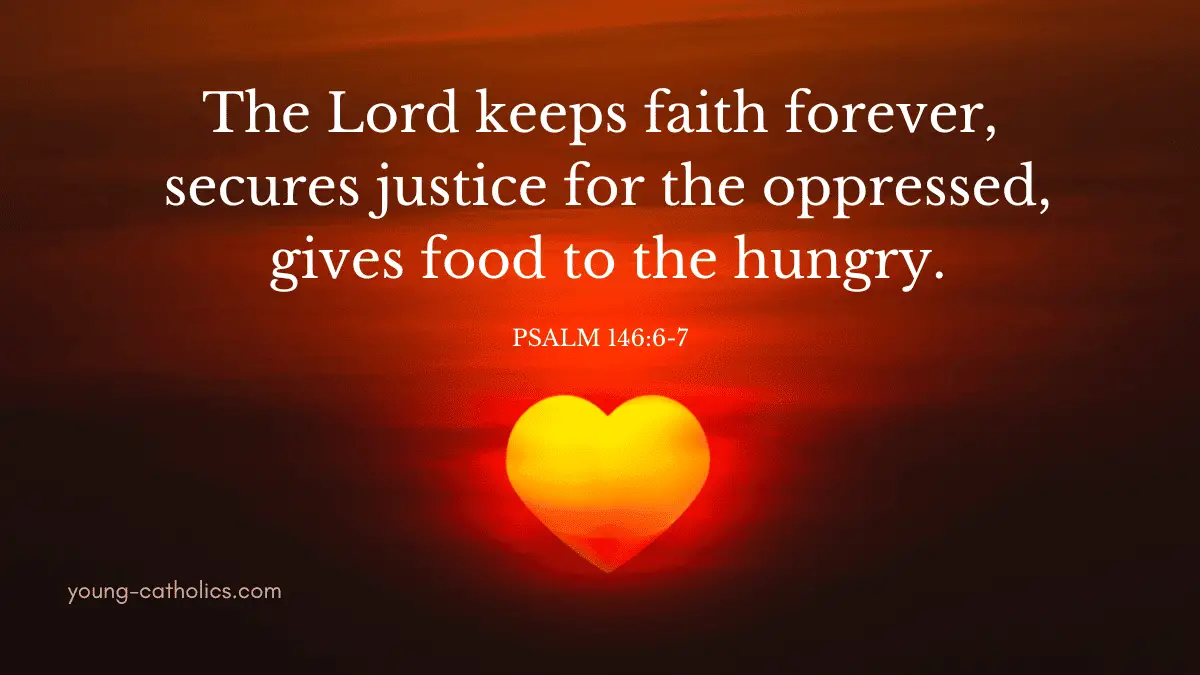
secures justice for the oppressed,
gives food to the hungry.
The Lord sets captives free.
The Lord gives sight to the blind;
the Lord raises up those who were bowed down.
The Lord loves the just;
the Lord protects strangers.
Music Suggestions for the 4th Sunday in Ordinary Time Year A
The music selections for the 4th Sunday in Ordinary Time Year A reflect themes of humility, trust in God, and the blessings found in following Jesus. Some songs focus on the Beatitudes, reminding us of the joy and promise given to the poor in spirit, the merciful, and the peacemakers. Others highlight God’s justice and care for the weak, echoing the message of Psalm 146. There are also songs of praise that celebrate God’s greatness and faithfulness, encouraging us to trust in Him instead of worldly success. This mix of reflective and uplifting music helps bring the themes of the readings to life.
- All the Poor and Powerless by All Sons & Daughters
- At the Name of Jesus by Christopher Walker
- Beautiful Savior
- Earthen Vessels by the St. Louis Jesuits
- How Great Is Our God by Josh Blakesley
- I Am Free by Josh Blakesley
- Lead Me Lord by John D. Becker
- Love Is Here by Tenth Avenue North
- Lord I Need You by Matt Maher
- O Breathe on Me, O Breath of God by Edwin Hatch
- O How Blessed by Dan Schutte
- Our God by Chris Tomlin
- Rejoice in the Promise of Jesus (The Beatitudes) by Scot Crandal
- The Beatitudes by Peter Kearney
- The Lord Is Kind by Ed Bolduc
- The Stand by Hillsong Worship
- We Are the Light of the World by Jean Anthony Greif
- Your Grace Is Enough by Matt Maher
- Your Promises by Elevation Worship
Music directors and musicians can use these selections to deepen the message of the 4th Sunday in Ordinary Time Year A. Consider trying these songs in your liturgy and seeing how they connect with the congregation. If you have other recommendations, share them in the comments so others can explore new ways to reflect on these powerful themes.
Questions and Answers for the 4th Sunday in Ordinary Time Year A
What does Zephaniah mean by seeking humility and justice?
Zephaniah tells people to be humble and do what is right. God will take care of those who trust Him and live simply.
Why does Zephaniah say God will leave a small group of people?
He means that God will protect those who stay faithful. They will live in peace and follow His ways.
Why does Paul say God chooses the weak?
Paul explains that God often works through people who seem unimportant. This shows that God’s power, not human success, is what matters.
What does it mean to boast in the Lord?
It means to trust in what God has done instead of in personal achievements. God gives true strength and wisdom.
How does the 4th Sunday in Ordinary Time Year A teach about real happiness?
Jesus teaches that real happiness comes from trusting God. Blessings come to those who are humble, merciful, and seek peace.
Why are the poor in spirit blessed?
Being poor in spirit means knowing that everything comes from God. Those who rely on Him will receive His kingdom.
How does the 4th Sunday in Ordinary Time Year A show that suffering can have meaning?
Jesus says that those who suffer for doing what is right will be rewarded. Their faithfulness will not be forgotten.
What does it mean to be a peacemaker?
A peacemaker works to bring people together and solve problems peacefully. Jesus says they are God’s children.
How does the 4th Sunday in Ordinary Time Year A help people trust God more?
The readings show that God is with those who are weak, humble, and faithful. He cares for them and will bless them.
What is the main lesson from the 4th Sunday in Ordinary Time Year A?
God blesses those who live humbly, seek justice, and trust in Him. Success in the world is not what matters most.
Blessings for the Humble and Faithful
The 4th Sunday in Ordinary Time Year A focuses on humility and trust in God. The first reading from Zephaniah calls people to seek humility and justice. God promises to care for those who stay faithful and live simply.
Paul reminds the Corinthians that God often chooses the weak and lowly. Human success and power do not matter to God. Real wisdom comes from trusting in Christ, not from the world’s ways.
In the Gospel, Jesus teaches the Beatitudes. He blesses the poor in spirit, the merciful, and those who seek peace. He promises rewards to those who suffer for doing what is right. The 4th Sunday in Ordinary Time Year A shows that true happiness comes from following God’s ways.
Your Turn
The 4th Sunday in Ordinary Time Year A reminds us to trust God and live with humility. The readings show that God blesses those who seek justice, show mercy, and remain faithful.
How do these readings speak to your life? Take a moment to reflect and share your thoughts in the comments. Your experience might help someone else grow in faith.
Leave a Reply