
3rd Sunday of Easter Year A
Sunday April 15, 2029

First Reading: Acts 2:14, 22-33
Responsorial Psalm: Psalm 16
Second Reading: 1 Peter 1:17-21
Gospel: Luke 24:13-35
Key Theme: Jesus walks with us
Focus: Eucharist
Summary: Jesus is risen and stays close to His followers. He helps them understand Scripture and reveals Himself in the breaking of bread. God’s plan is fulfilled through His death and resurrection.
Challenge: Look for Jesus in daily life. Trust Him even when you do not see clearly. Be open to learning from Scripture and others.
Action Step: Spend a few minutes reading a Gospel passage and ask Jesus to walk with you today.
Verse to Remember: “He was made known to them in the breaking of the bread.” (Luke 24:35)
Walking with the Risen Lord
The 3rd Sunday of Easter Year A reminds us that Jesus is alive and walks with us. The readings show how His followers came to believe in the resurrection. They also call us to live with hope and trust in His promise.

In the first reading, Peter tells the crowd that Jesus’ death and resurrection were part of God’s plan. He speaks with courage, showing that the Holy Spirit gives strength to share the Good News.
The Gospel tells the story of the road to Emmaus. Two disciples walk with a stranger who explains the Scriptures to them. They finally recognize Him when He breaks bread. This moment shows how Jesus is present with us in Word and Sacrament.
The 3rd Sunday of Easter Year A encourages us to look for Jesus in our daily lives. He is with us in prayer, in the Eucharist, and in the people we meet. When we open our hearts to Him, our faith grows stronger.
Mass Readings for the 3rd Sunday of Easter Year A
- First Reading – Acts 2:14, 22-33: Peter stood up with the eleven apostles and addressed the crowd, explaining that the events they were witnessing were the fulfillment of the prophecy of Joel. Peter testified about Jesus and how his death and resurrection were also foretold by the prophets, and that Jesus had been raised from the dead by God.
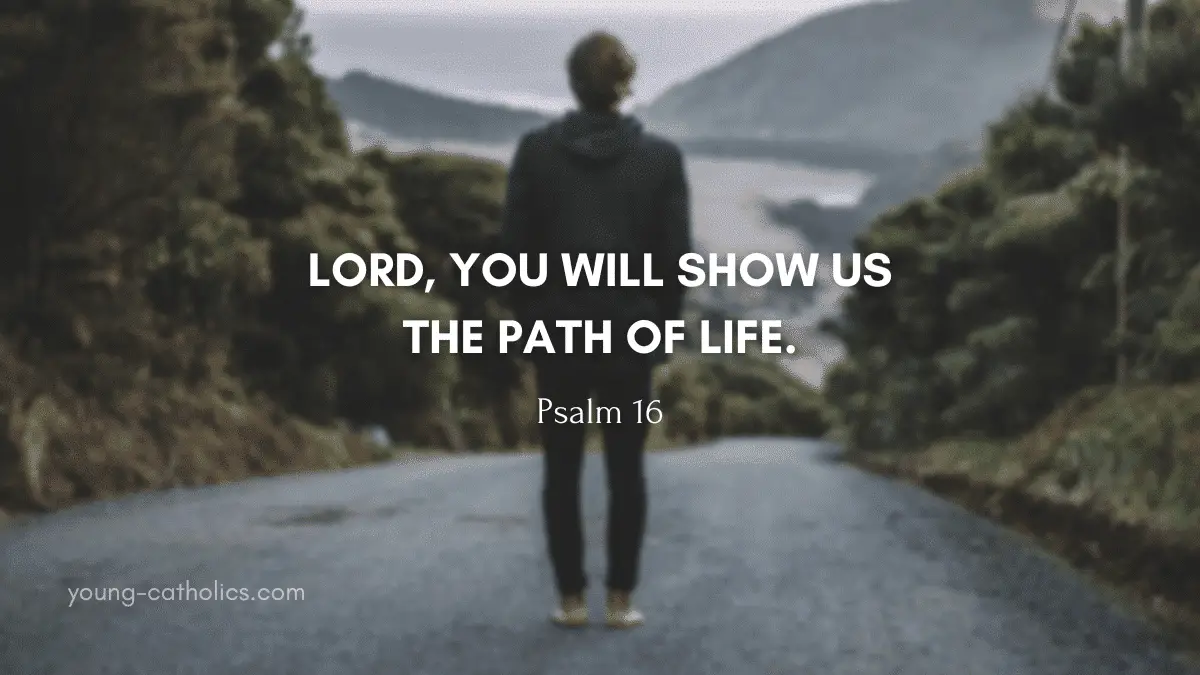
- Responsorial Psalm – Psalm 16: In this Psalm, the psalmist expresses trust in God as their refuge and source of counsel. They praise God for guiding them on the path of life, and express confidence that God will not abandon them but instead bring them to eternal joy in His presence.
- Second Reading – 1 Peter 1:17-21: Peter urges his readers to live in reverence and fear of God, knowing that they were ransomed by the precious blood of Christ. He emphasizes the eternal significance of their faith and encourages them to continue to trust in God, who raised Christ from the dead and gave them new life through Him.
- Gospel – Luke 24:13-35: Two of Jesus’ disciples were walking to Emmaus when they encountered a stranger who turned out to be Jesus, but they did not recognize Him at first. After Jesus spoke to them and broke bread with them, their eyes were opened and they realized that it was Him.
The readings above are for lectionary cycle A. For other years see the links below:
3rd Sunday of Easter Year B
3rd Sunday of Easter Year C
Then the two recounted what had taken place on the way and how he was made known to them in the breaking of bread.
Luke 24:35
Themes for the 3rd Sunday of Easter Year A
The 3rd Sunday of Easter, Year A, reflects on how the risen Jesus brings hope and understanding to His followers. The readings emphasize Jesus’ presence, the importance of faith, and the fulfillment of God’s plan.
- Jesus’ Presence in Our Journey: The Gospel tells the story of Jesus walking with the disciples on the road to Emmaus. This shows that Jesus is with us in all moments of life, even when we do not recognize Him.
- Scripture Reveals Christ: Jesus explains the Scriptures to the disciples on the road. This reminds us that the Bible helps us understand Jesus and strengthens our faith.
- Faith Opens Our Eyes: The disciples recognize Jesus in the breaking of the bread. This shows that faith allows us to truly see Jesus in the Eucharist and in others.
- God’s Plan Fulfilled: Peter’s speech in Acts highlights how Jesus’ death and resurrection were part of God’s plan. This reminds us that God’s promises are fulfilled through Jesus.
- Hope in Christ’s Resurrection: Peter’s letter speaks of hope through Jesus’ resurrection. This hope encourages us to live with trust, knowing Christ has conquered death.
- Eucharist as Spiritual Nourishment: The Gospel shows the disciples’ joy in sharing a meal with the risen Jesus. It reflects how the Eucharist nourishes and unites us with Christ today.
The themes of the 3rd Sunday of Easter, Year A, invite us to recognize Jesus in the Scriptures, in the Eucharist, and in our daily lives. The risen Jesus continues to guide, teach, and give hope to all who seek Him.
Resources for the 3rd Sunday of Easter Year A

Walking with Jesus: A Road to Emmaus Lesson Plan
Time Required: 45–60 minutes
Age Group: Grades 6–12
Group Size: 6 or more
Scripture: Luke 24:13–35
Core Message: Jesus is with us and reveals Himself in daily life
Themes: Jesus’ presence, Eucharist, faith in doubt, hope, evangelization
Energy Level: Moderate
Materials Needed: Paper, pens, Bible
Sacramental Connection: Eucharist (breaking of the bread)
Setting: Classroom, youth room, small group space
This Road to Emmaus lesson plan helps young people understand that Jesus is always with them, even when they feel confused or alone. It connects to the Gospel for 3rd Sunday of Easter Year A, where the disciples did not recognize Jesus as He walked with them. This story reminds us that Jesus is present in our struggles, offering comfort and guidance.
3rd Sunday of Easter Year A teaches us to recognize Jesus in Scripture, in the Eucharist, and in our daily lives. This lesson encourages youth to listen to God’s Word and to share their faith with others. Like the disciples who shared their encounter with Jesus, young people are called to spread His love and hope to those around them.

Emmaus Walk Activity
Time Required: About 90–120 minutes
Age Group: Grades 6–12
Group Size: 6–20 youth, pairs or small groups work best
Scripture: Luke 24:13–35
Core Message: Jesus walks with us and speaks through others in daily life
Themes: Jesus’ presence, Christian community, listening, sharing faith, prayer
Energy Level: Moderate
Materials Needed: Bible, optional paper, pens
Sacramental Connection: Eucharist (breaking of the bread)
Setting: Outdoor walk, large indoor space, or quiet small group area
Linked to 3rd Sunday of Easter Year A, the Emmaus Walk activity reminds young people that Jesus is with them, even when they feel lost or uncertain. It reflects the story of the disciples who walked with Jesus without recognizing Him. By reflecting on this, youth can grow in faith and community, becoming more aware of Jesus’ presence in their lives.
3rd Sunday of Easter Year A teaches us to see Jesus in Scripture, in the Eucharist, and in others. The Emmaus Walk encourages youth to share their faith stories, pray together, and support each other. It helps them recognize Jesus’ presence in everyday moments and inspires them to share His love with others.

Create Your Own Prayer Labyrinth
Time: 15–30 minutes
Best for: Middle school, high school, adults, mixed ages
Setting: Individual, small group, retreat, outdoor, large space
Themes: Prayer, reflection, discernment, peace, journey of faith
Scripture Connection: Psalm 46:10 – Be Still and Know That I Am God
Works well for: Retreat, quiet reflection, prayer experience, sacrament prep
Creating a prayer labyrinth is a meaningful way to reflect on Jesus’ presence in our lives. It connects to 3rd Sunday of Easter Year A, where the disciples walked with Jesus on the road to Emmaus but did not recognize Him at first. Walking the labyrinth invites us to reflect on our own journey of faith and to become more aware of Jesus walking with us.
3rd Sunday of Easter Year A reminds us that Jesus is revealed through Scripture and in the breaking of the bread. The prayer labyrinth provides a space for quiet reflection and prayer, helping us to recognize Jesus in our daily lives. It encourages us to listen for His guidance and to grow closer to Him on our faith journey.

The Acts of the Apostles: The Spirit at Work
The book of Acts shows how the Holy Spirit empowers the apostles to spread the message of Jesus. This reading for the 3rd Sunday of Easter Year A highlights Peter speaking with courage to explain Jesus’ death and resurrection. It reveals how the Church began to proclaim the Gospel openly after receiving the Spirit’s guidance.
Peter connects the events to the promises in Scripture, showing that Jesus’ life, death, and resurrection were part of God’s plan. Acts often links the Gospel to the story of Israel, reminding listeners that God’s covenant is fulfilled in Christ. This helps the early Church see itself as the continuation of God’s saving work.

Psalm 16: Trust in God’s Care
Psalm 16 is a song of trust in God’s faithful presence. For the 3rd Sunday of Easter Year A, it expresses confidence that God will not abandon His people, even in death. It points toward the hope of eternal life, which is fully revealed in the resurrection of Jesus.
The psalm’s themes fit within the Psalms as prayers that connect daily life to God’s promises. It reflects a deep relationship with God built on faith and gratitude. The joy and security found in God’s care echo throughout the psalter.

The First Letter of Peter: Living as God’s People
The letter of 1 Peter encourages believers to remain faithful in a world where they face challenges. In the 3rd Sunday of Easter Year A reading, Peter calls for reverence and a holy way of life, remembering that Christ’s sacrifice set them free.
Throughout the letter, Peter reminds the Church that their identity comes from God’s mercy and their new life in Christ. Faith is not temporary but rooted in God’s eternal plan. This message urges Christians to live with hope and purpose.

The Gospel of Luke: The Risen Lord Revealed
Luke’s Gospel often shows Jesus walking with people, teaching, and breaking bread. In this 3rd Sunday of Easter Year A passage, the disciples on the road to Emmaus learn how the Scriptures point to Jesus, and they finally recognize Him in the breaking of bread.
This scene fits Luke’s focus on God’s salvation reaching all people through Christ. Meals in Luke often reveal God’s hospitality and grace. The story also models how the Church meets Christ in Word and Sacrament.
Homilies and Commentaries for the 3rd Sunday of Easter Year A
- The Next Mass (Fr. Mike Schmitz)
- The Pattern and Presence of Jesus (Bishop Robert Barron)
- Resurrection: I Have Seen the Lord! (Order of Preachers)
- Faith and Hope (Pray as You Go)
- Leave Behind Unbelief and Despair (Jesuits)
- Do You Recognize Jesus? (Dynamic Catholic)
- Living In The Day Of Easter (USCCB)
- Walking Away (Jeff Cavins)
- Emmaus and Us (Scott Hahn)
- More Homilies and Reflections for the 3rd Sunday of Easter Year A
The Next Mass
For the 3rd Sunday of Easter Year A, this homily by Fr. Mike Schmitz reflects on the struggle of discouragement. He shares how it is possible to know the truth about Jesus and still feel defeated. Like the disciples on the road, they had heard about the resurrection, yet they were walking away because they had lost heart. The homily explains that discouragement is more than doubt. It is a loss of courage that keeps us from moving forward in faith.
The message points to what helps restore that lost heart. Jesus meets the disciples, opens the Scriptures, and then reveals himself in the breaking of the bread. The 3rd Sunday of Easter Year A reminds us to stay close to where Jesus is found. The Eucharist becomes the place where we are strengthened and renewed. When we feel discouraged, we are invited to return, stay near Christ, and keep going.
The Pattern and Presence of Jesus
For the 3rd Sunday of Easter Year A, this homily by Bishop Robert Barron reflects on the Emmaus story as a picture of the whole Christian life. He explains that the disciples are walking in the wrong direction, away from Jerusalem, which shows how we often lose our way. Jesus walks with them, even though they do not recognize him. This reminds us that Christ is present in our lives, often through other people and events, even when we do not see it clearly.
The homily also shows how understanding Jesus requires more than knowing facts. The disciples had the story, but they did not see the full meaning. Jesus helps them see the pattern by explaining how all Scripture points to him. They finally recognize him in the breaking of the bread. The 3rd Sunday of Easter Year A invites us to encounter Christ through Scripture and the Eucharist, and then go out to share what we have received.
Resurrection: I Have Seen the Lord!
For the 3rd Sunday of Easter Year A, Order of Preachers reflection by Judith Ann O’Sullivan reminds us that knowing about Jesus is not enough. Faith becomes real when we experience the risen Christ in our own lives. She points to moments of darkness, confusion, and grief, where Jesus quietly draws near and listens to us, even when we do not recognize him.
The reflection shows that we often see Jesus in simple and familiar ways. Our eyes are opened over time, sometimes through pain, change, or letting go of fear. These moments can bring peace and new life. The 3rd Sunday of Easter Year A invites us to trust that resurrection is not just a past event. It is something we can live each day, as we come to see and say, “I have seen the Lord.”
Faith and Hope
For the 3rd Sunday of Easter Year A, Pray As You Go reflects on the reading from the First Letter of Peter 1:17-21. The reflection invites us to think about what it means to live with a sense of awe before God. This is not fear in a negative way, but a deep respect and love for God as our Father.
The reflection also draws our attention to the gift of salvation. We are reminded that we are saved not by anything temporary, but by the love and sacrifice of Jesus. It encourages us to reflect on this gift in a personal way. The 3rd Sunday of Easter Year A calls us to respond with gratitude, placing our trust, faith, and hope fully in God.
Music: Turn your eyes upon Jesus by Salt of the Sound and Revelations of Light by Christopher Galovan
Leave Behind Unbelief and Despair
For the 3rd Sunday of Easter Year A, this Jesuit reflection by Fr. Bob Hagan highlights how the story of the road to Emmaus leads from confusion to faith. The reflection shows how the disciples slowly come to understand the truth of the resurrection. It points to key moments along the way, including the empty tomb, the message they heard, and finally the encounter with Jesus.
The reflection invites us to follow that same path. We are called to leave behind doubt and discouragement and move toward trust in Christ. It also reminds us that Jesus is made known in the breaking of the bread. The 3rd Sunday of Easter Year A encourages us to open our hearts to faith and to recognize Jesus present with us, bringing hope and new life.
Do You Recognize Jesus?
For the 3rd Sunday of Easter Year A, this reflection by Matthew Kelly focuses on how easy it is to miss Jesus in daily life. Like the disciples on the road, we may walk with him and not recognize him. The reflection asks us to think about where we might be overlooking his presence, especially in people around us.
It points to moments when we struggle to see Jesus in others, including those who are poor, overlooked, or difficult to love. The message is simple but direct. We need to ask God to open our eyes. The 3rd Sunday of Easter Year A invites us to grow in awareness and see Jesus in every person and situation, allowing that recognition to shape how we act and respond.
Living In The Day Of Easter
For the 3rd Sunday of Easter Year A, Fr. Greg Friedman reflects on how Luke presents Easter as one full and active day. Many events seem to happen all at once, from the empty tomb to the road to Emmaus and beyond. He suggests this is not about exact time, but about showing the meaning of the resurrection.
The reflection explains that Easter is not just a moment in history. It is something we continue to live. We meet the risen Jesus in prayer, in the breaking of the bread, and through the witness of others. The 3rd Sunday of Easter Year A reminds us that this is a lasting reality. We are invited to live each day in the light of the resurrection, sharing that life with others.
Walking Away
In this reflection for the 3rd Sunday of Easter Year A, Jeff Cavins explains how the story of the road to Emmaus is a model for the Mass. The disciples, initially discouraged, regain hope as Jesus teaches them through Scripture and reveals Himself in the breaking of the bread.
Cavins emphasizes that the Word of God and the Eucharist can restore hope, just as it did for the disciples. He encourages regular participation in Mass, Bible study, and the practice of Lectio Divina as ways to rekindle faith and deepen our relationship with Jesus.
Emmaus and Us
In this reflection for the 3rd Sunday of Easter Year A, Scott Hahn encourages us to see ourselves in the confused disciples on the road to Emmaus. He explains that Jesus reveals Himself by opening the Scriptures and breaking bread, just as He did at the Last Supper.
Hahn emphasizes that the Eucharist reenacts this encounter, allowing us to recognize Jesus in our journey. Even when Jesus seems hidden, He remains present, offering Himself in the breaking of the bread at every Mass. The disciples’ plea, “Stay with us,” is fulfilled in the Eucharist, where Jesus stays with us always.
More Homilies and Reflections for the 3rd Sunday of Easter Year A
When You’re Walking the Wrong Way (Word on Fire: Bishop Robert Barron)
Reflection for the 3rd Sunday of Easter Year A
The 3rd Sunday of Easter Year A invites us to reflect on encounters with the risen Jesus. The readings highlight how Peter and the disciples on the road to Emmaus experienced Jesus’ presence in unexpected ways. These encounters strengthened their faith and filled them with new courage to share the Good News. As we reflect, we are called to open our hearts and recognize Jesus’ presence in our own lives.
Encountering the Risen Lord
The first reading for the 3rd Sunday of Easter Year A features Peter’s speech to the crowd in Jerusalem. Filled with the Holy Spirit, Peter proclaims the Good News of Jesus Christ, starting with his own personal witness to the resurrection. Through his eloquent and persuasive speech, he invites the people to repent and to be baptized in the name of Jesus Christ.
This passage reminds us of the transformative power of the resurrection of Christ. We are invited to renew our faith, to repent of our sins, and to live as faithful disciples of the Risen Lord. Like Peter, we are called to bear witness to this encounter, to proclaim the Good News of Christ, and to invite others to share in this life-changing experience.
May we be filled with the same Holy Spirit that inspired Peter’s speech, and may we bear witness to the Good News of Christ in our own lives.
Recognizing Jesus
It is unclear why the two disciples who walked with Jesus did not recognize him. However, it is possible that recognizing him so easily would have been too simplistic. Instead, they were forced to grapple with their feelings of disappointment and confusion as they conversed with him. They openly shared their emotions with him, which served as a model for us.
Often, during difficult times in our lives, we may not feel Jesus’ presence. However, we should speak to him candidly about our feelings, without fear of expressing our negative emotions and disappointment. Through such conversations, we may gain a fresh perspective.
Eventually, the two disciples were able to recognize Jesus clearly. Talking with him had transformed their hearts, turning them from despair to a passionate flame.
Transformative Encounters
The common theme in the readings for for the 3rd Sunday of Easter Year A is the transformative power of encountering the Risen Lord. Peter and the disciples on the road to Emmaus both experienced a profound encounter with Jesus, which transformed their lives and gave them the courage to bear witness to the Good News. They remind us that our faith is not just a set of beliefs, but rather a personal encounter with the living God, who has the power to transform us and to fill us with hope.
As we reflect on these readings for the 3rd Sunday of Easter Year A, we are invited to ask ourselves whether we have truly encountered the Risen Lord in our lives. Have we experienced his transforming power? Are we willing to bear witness to his Good News, even in the face of opposition or persecution? May we open our hearts to the Risen Lord, who longs to encounter us and to transform us into his faithful disciples.
The 3rd Sunday of Easter Year A shows us that meeting the risen Jesus changes everything. Peter and the disciples went from doubt to bold witness, from sorrow to joy. We are reminded that Jesus walks with us, too, ready to renew our faith. May we seek and recognize His presence, allowing Him to guide us as we live as His faithful disciples.
Prayer
Lord Jesus, help us to recognize You in our daily lives. Open our hearts to Your presence and teach us to share Your Good News with others. Fill us with the courage and joy that come from knowing You are with us always. Amen.
Reflection Questions for the 3rd Sunday of Easter Year A
- How does Peter’s boldness in proclaiming the resurrection inspire me to share my faith?
- What are some ways I can be more open to the Holy Spirit in my daily life?
- Have I ever struggled to recognize Jesus in a difficult situation? How did I respond?
- What can I learn from the disciples’ honest conversation with Jesus on the road to Emmaus?
- Do I share my feelings openly with Jesus, even when they are negative or filled with doubt?
- How does the Eucharist help me recognize Jesus in my own life?
- What changes do I need to make in my life to better reflect the Good News of Jesus’ resurrection?
- How do I respond when others ask about my faith in Jesus?
- How can I help others experience the risen Jesus in their lives?
- In what ways can I strengthen my own relationship with the risen Lord this week?
Social Media Graphics and Bulletin Artwork
In the Breaking of the Bread

Celebrate the message of the 3rd Sunday of Easter Year A with this beautiful image of Christ revealed in the breaking of the bread. Perfect for parish bulletins, newsletters, and other faith resources, it helps share the Gospel story in a clear and meaningful way.
Download it today and bring the Emmaus encounter to life for your community.
Paid subscribers may download this file without watermarks for use in bulletins, social media, newsletters, etc. You must be logged in as a paid subscriber to access the file.
Only current paid subscribers have the rights to use the artwork.
abounding joy in your presence,
the delights at your right hand forever.
Music Suggestions for the 3rd Sunday of Easter Year A
These music selections reflect themes of encountering the risen Jesus, recognizing Him in the Eucharist, and being guided by His presence. Many of these songs focus on Jesus’ presence in the breaking of the bread, which echoes the disciples’ experience on the road to Emmaus. Other songs emphasize themes of faith, hope, and following Jesus’ guidance. Some selections invite us to open our eyes and hearts, helping us respond to Jesus’ call to bear witness to the Good News.
- All the Ends of the Earth by Bob Dufford
- Alleluia! Sing to Jesus by Rowland H. Pritchard, William C. Dix, Robert E. Kreutz & Randall Debruyn
- Alleluia! Love Is Alive by Steve Angrisano, Jesse Manibusan & Sarah Hart
- Be Thou My Vision by Audrey Assad
- Christ Is Risen by Matt Maher
- He Is Risen by Ricky Manalo
- I Am the Bread of Life by Sr. Suzanne Toolan
- In the Breaking of the Bread by Timothy R Smith
- I Want to Walk in the Presence of God by Carey Landry & Carol Jean Kinghorn
- Join in the Dance by Dan Schutte
- Lead Me Lord by John D. Becker
- Let Us Break Bread Together by Randall Debruyn
- Open My Eyes Lord by Jesse Manibusan
- On the Journey to Emmaus by Marty Haugen
- Open the Eyes of My Heart Lord by Paul Baloche
- Our God Is Here by Chris Muglia
- Resurrecting by Elevation Worship
- Three Days by Gustav T. Holst, M.D. Ridge & Jeffrey Honoré
- Two Were Bound for Emmaus by Bob Hurd
- Ye Sons and Daughters by Josh Blakesley
If you are a music director or musician, consider trying some of these selections for the 3rd Sunday of Easter Year A. Choose songs that fit the themes of the readings and help the congregation connect with the message. Feel free to suggest other songs in the comments that capture the spirit of this Sunday.
Questions and Answers
What does Peter mean when he says Jesus’ death and resurrection were part of God’s plan in the first reading for the 3rd Sunday of Easter Year A?
Peter explains that Jesus’ death and resurrection were not accidents but part of God’s plan to save us. We can trust that God’s plan for us is also filled with hope, even when we don’t understand it right away.
How can we apply Peter’s words about living with hope from the second reading for the 3rd Sunday of Easter Year A?
Peter urges us to live as people of hope, trusting in God’s mercy. We can apply this by facing challenges with faith, remembering that Jesus has already overcome suffering and death.
Why does Peter stress faith in Jesus’ resurrection in the second reading?
Peter stresses this because Jesus’ resurrection gives meaning to our faith. It reminds us that our faith is built on the truth of Jesus’ victory over sin and death.
How does Peter describe hope in the second reading?
Peter says that our hope comes from Jesus’ resurrection, which is stronger than anything in this world. We should live with confidence, knowing Jesus has won victory over death.
Why didn’t the disciples recognize Jesus on the road to Emmaus in the Gospel for the 3rd Sunday of Easter Year A?
The disciples were sad and confused after Jesus’ death. This clouded their understanding. Sometimes, we don’t recognize Jesus in our lives either, especially when we feel discouraged or lost.
How does Jesus help the disciples understand the Scriptures in the Gospel?
Jesus explains the Scriptures to help the disciples see how the Old Testament points to Him. This teaches us to read the Bible with the eyes of faith and look for Jesus’ presence in its words.
What is the importance of the breaking of the bread in the Gospel?
The disciples finally recognize Jesus when He breaks the bread with them. This reminds us of the Eucharist, where Jesus is truly present with us and strengthens us in faith.
What can we learn from the disciples’ experience on the road to Emmaus?
The disciples felt lost but found hope when they listened to Jesus. This shows us that when we are struggling, listening to Jesus through prayer and Scripture brings new understanding.
Why is Jesus’ presence so important in the readings for the 3rd Sunday of Easter Year A?
The readings show that Jesus is always with us, even when we do not see Him right away. His presence brings peace, hope, and understanding, which helps us in our daily lives.
What message should we take from the 3rd Sunday of Easter Year A readings?
The readings remind us to seek Jesus in Scripture, in the Eucharist, and in daily life. They call us to have hope, faith, and trust in Jesus, who is always near.
Recognizing Jesus in Our Lives
3rd Sunday of Easter Year A invites us to reflect on recognizing Jesus in our daily lives. In the Gospel, the disciples on the road to Emmaus do not recognize Jesus until He breaks bread with them. Their hearts were burning as He explained the Scriptures, but they only saw Him clearly when He shared a meal with them. This reminds us that Jesus is present in the Eucharist and in our everyday encounters.
The first reading shows Peter boldly proclaiming Jesus’ Resurrection. He connects the events to prophecy and testifies that God raised Jesus from the dead. Peter’s words encourage us to trust in God’s plan and to share our faith with others.
The second reading calls us to live in reverence, knowing we are redeemed by Christ’s sacrifice. We are reminded to place our hope in God, who raised Jesus and gave us new life. This hope gives us strength to live our faith with courage and love.
3rd Sunday of Easter Year A encourages us to recognize Jesus’ presence in Scripture, the Eucharist, and our daily lives. We are called to share this faith with others and to live with hope and trust in God.
Your Turn
3rd Sunday of Easter Year A challenges us to open our eyes to Jesus’ presence in our lives. Like the disciples on the road to Emmaus, we may not always recognize Him at first. By reflecting on the readings, we can learn to see Jesus in Scripture, in the Eucharist, and in the people around us.
Take time to reflect on your own experiences of faith. How has Jesus walked with you, even when you did not recognize Him? How can you share your faith and hope with others? Share your thoughts in the comments and help inspire others on their journey of faith.

Leave a Reply